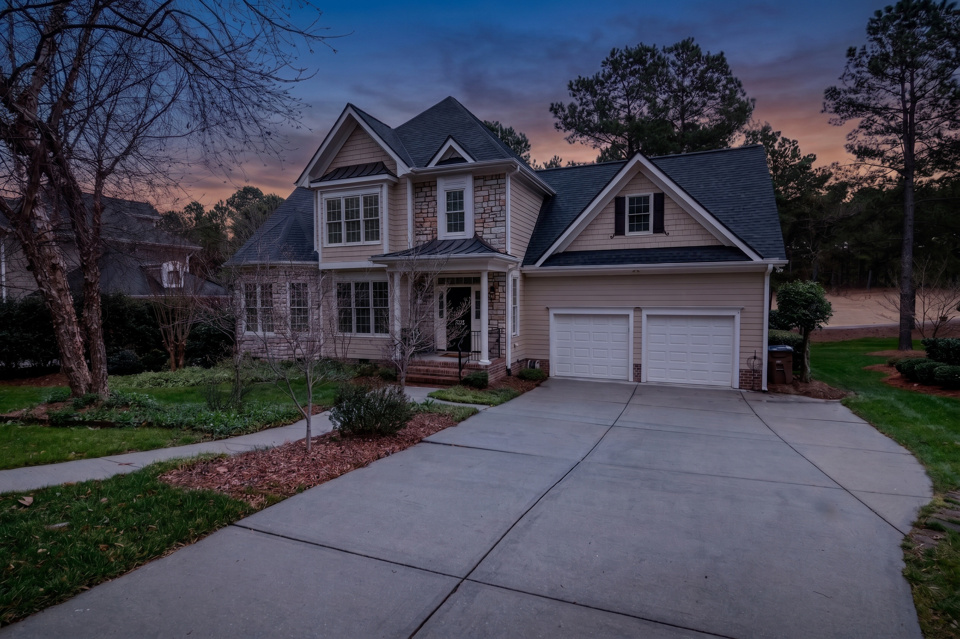


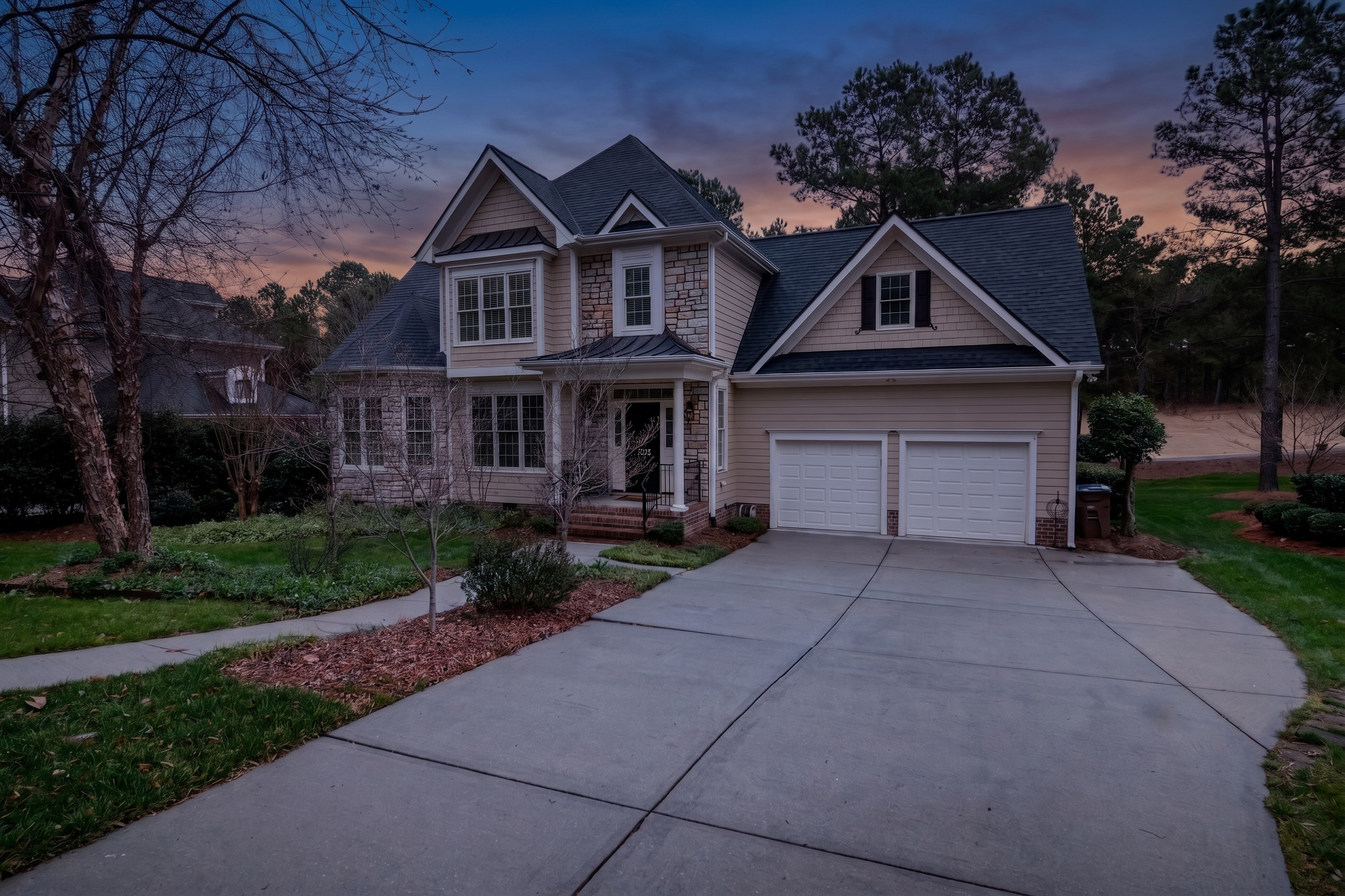
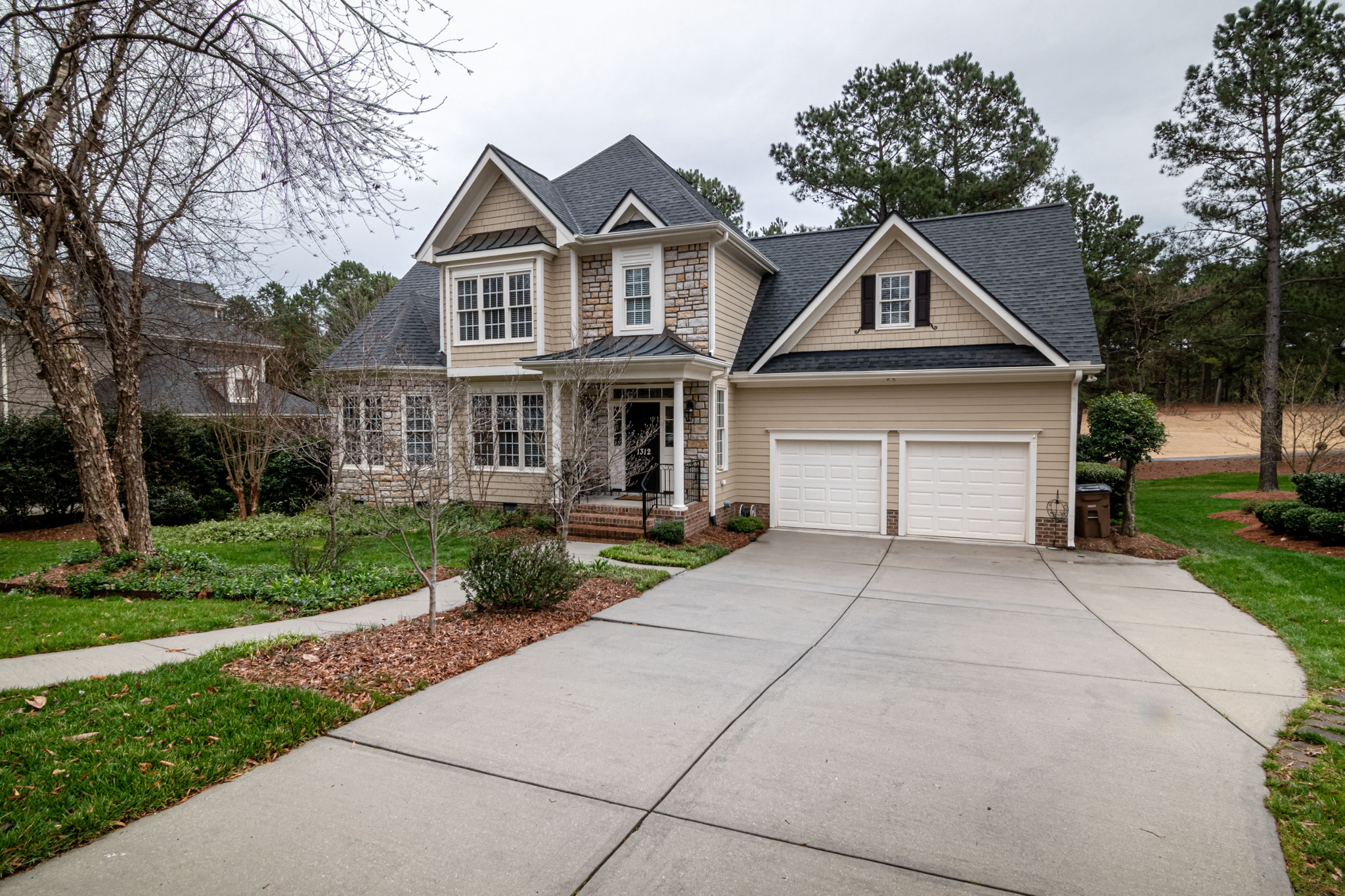
Wat day-to-dusk daadwerkelijk verandert
Een day-to-dusk bewerking vervangt de lucht, verlaagt de omgevingsbelichting om bij het tijdstip te passen en voegt, waar u daarom vraagt, een warme gloed toe aan ramen die al interieurdetails tonen. Het raakt het gebouw, de tuin, de oprit of de buren niet aan.
Dat onderscheid is waar het om draait. De wijzigingen die makelaars in de problemen brengen, zijn de wijzigingen die veranderen wat er wordt verkocht: verfkleur, vloerbedekking, vaste installaties, een verwijderde elektriciteitspaal, een opgeruimde tuin, een verborgen gebrek. Die zijn in verschillende markten verboden, of u ze nu openbaar maakt of niet.
Waarom de kadrering belangrijker is dan de lucht
Van generatieve beeldbewerkers is gedocumenteerd dat ze het gezichtsveld vergroten, over-genereren in gemaskeerde gebieden en kleuren systematisch verschuiven. Een peer-reviewed evaluatie van veertien taken en veertig datasets wees precies dit uit: deze modellen geven prioriteit aan semantische aannemelijkheid boven strikte pixeluitlijning. Claims van leveranciers dat ze architectuur behouden, zijn folklore.
Daarom vertrouwen wij de output niet. Elke render wordt vergeleken met uw origineel, structuur eerst, want een herbelichting verandert opzettelijk de kleur van elke pixel, maar mag geen enkele daklijn verschuiven. Renders die afwijken worden weggegooid voordat u ze ziet, en u krijgt het logboek te zien van wat er is mislukt.
Het deel dat niemand levert
Een onderzoek naar ongeveer 40.000 woningfoto's begin 2026 wees uit dat 10,8% digitaal was aangepast, en dat meer dan 90% daarvan geen enkele openbaarmaking bevatte. Dat is eerder een workflowprobleem dan een integriteitsprobleem: fotografen leveren JPEG's, en een JPEG bevat geen bewijs dat er iets is veranderd.
Wat u van ons terugkrijgt is een paar: de gewijzigde afbeelding en het ongewijzigde origineel, zodanig geordend dat het origineel direct voor of na de bewerking kan staan, zoals Canopy en SDMLS vereisen, plus de tekst voor openbaarmaking voor elk platform waarop u publiceert, en een auditverslag met de hashes van beide bestanden.