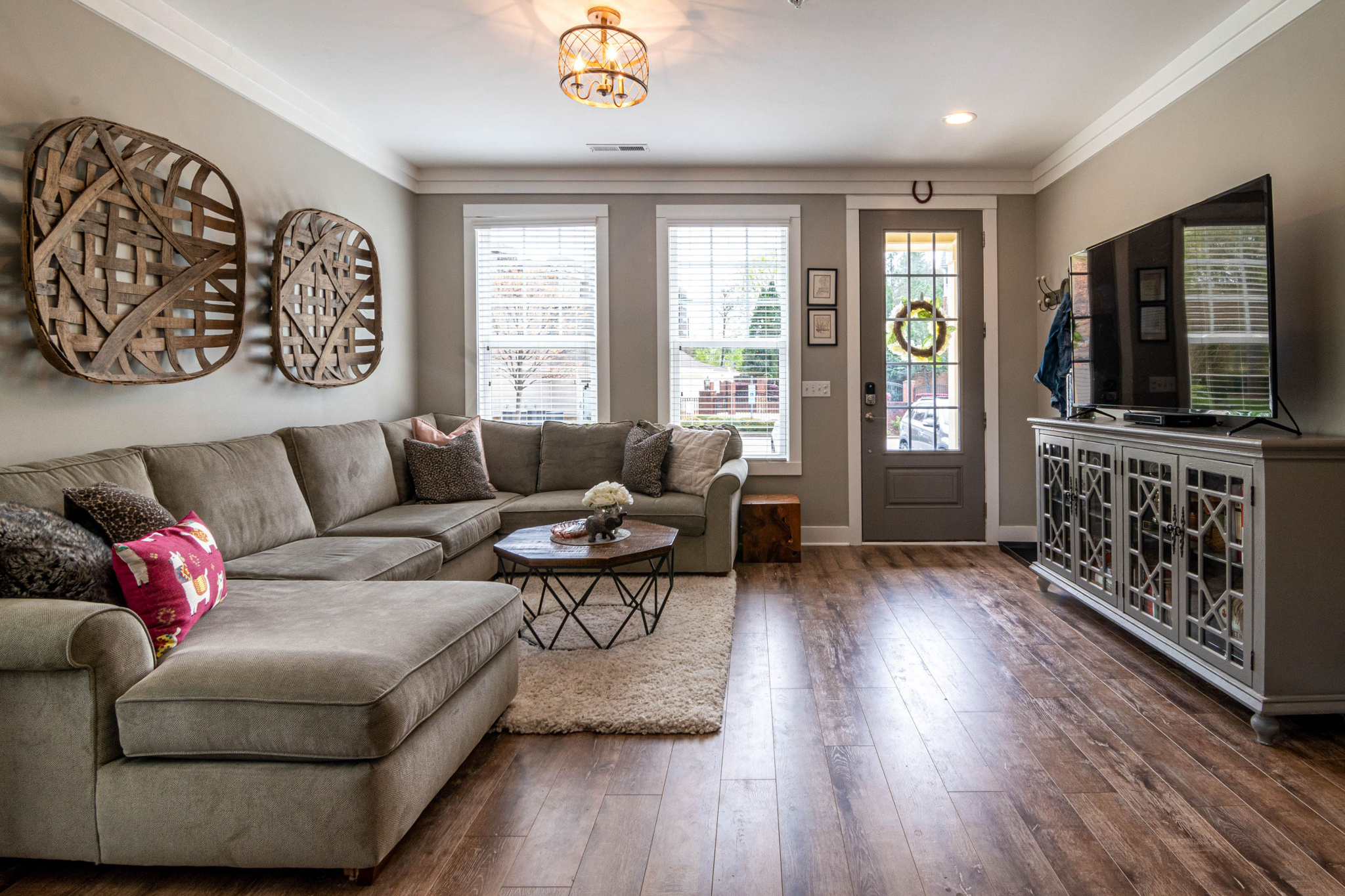
Occupied to vacant

Remove furniture from listing photos

Strip a furnished room back to an empty one, including the shadows and reflections the furniture left behind.

See it on a sample$29per listing

Drop one photo or the whole shoot anywhere on this page. Free to try: 3 renders without an account, 3 more when you sign in.

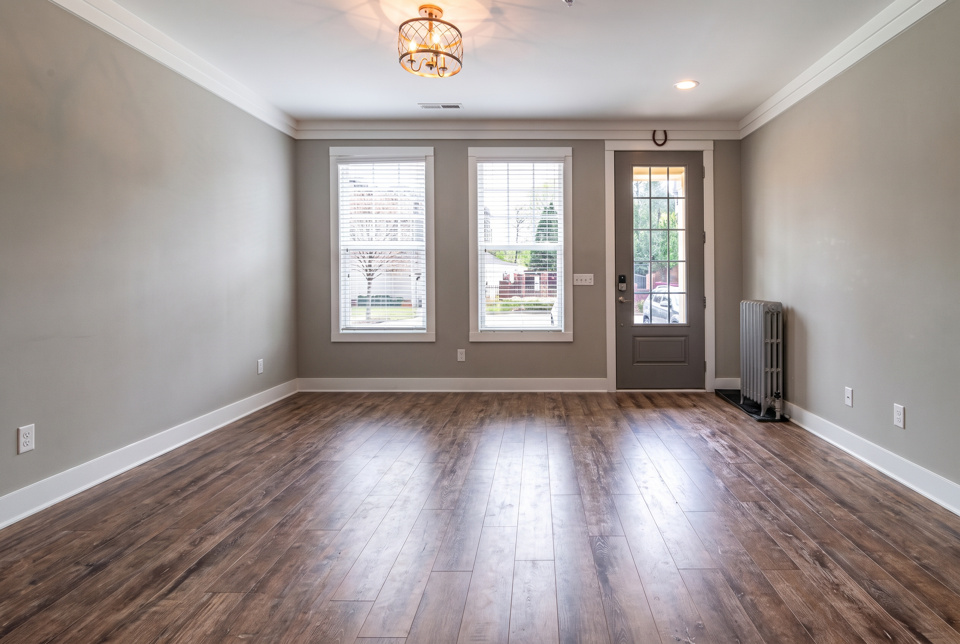
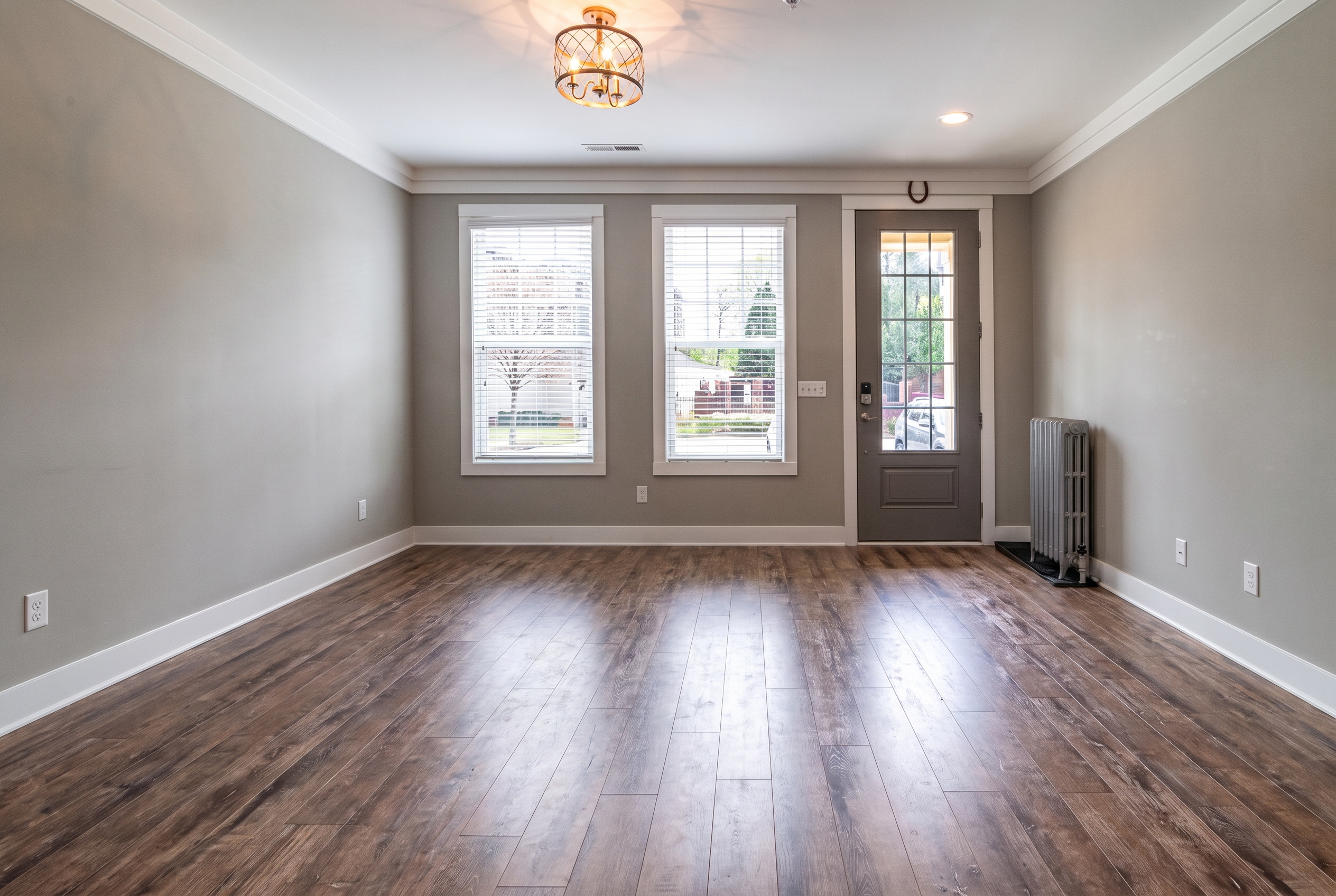
The altered version: emptied
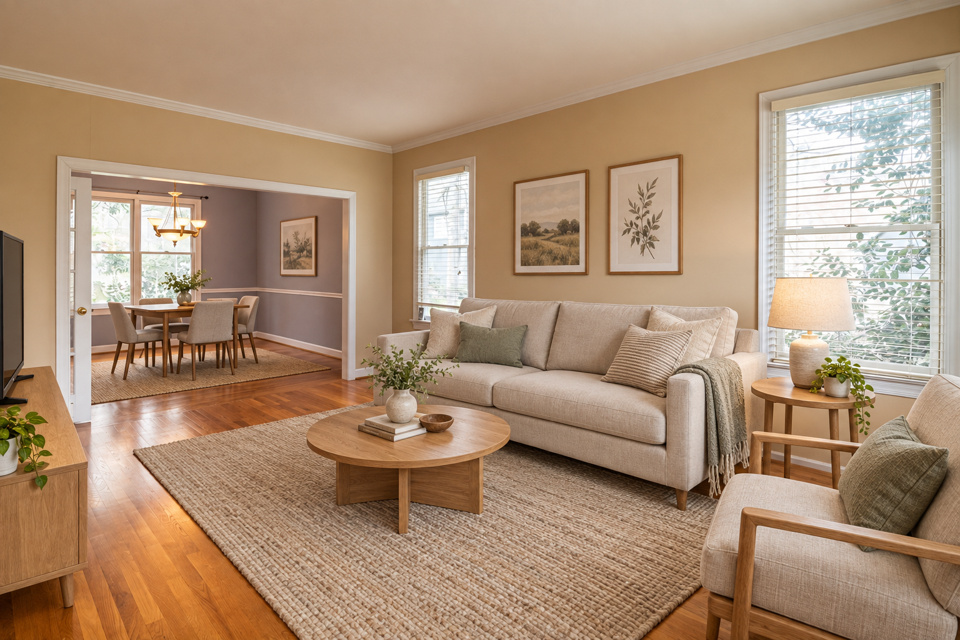
The unaltered original photograph
OriginalEmptied

A real render. The walls, windows, radiator, pendant and floor are untouched. Only the contents go.

Features

What you get back

Not just an altered JPEG.

Mask-driven removal

Furniture is segmented by concept, combined and erased in place, so the model reconstructs what was behind it rather than inventing a new room.

Shadows and reflections too

The mask is grown before erasing. Without that you remove a sofa and keep the sofa-shaped shadow on the floor.

Verified outside the mask

Structure and colour are measured specifically outside the cleared region, where nothing is allowed to change. That is what separates emptying this room from inventing another.

It refuses when it should

A photo more than 45% furniture is past what object removal can reconstruct. We say so and charge nothing rather than returning a hallucinated room.

The original comes back

Edited image and unaltered original as an ordered pair.

Then stage it, if you like

An emptied room is the natural input for virtual staging in any of twelve styles.

How it works

Three steps

  1. Step 1

    Upload the furnished room

    JPEG or PNG. Free to try: 3 renders without an account, 3 more when you sign in. Your original is never used for training.

  2. Step 2

    Check what goes, then we remove it

    We select the furniture for you to adjust. Renders that change walls, floors or fixtures are discarded before you see them.

  3. Step 3

    Download the pair

    The edit and your original, in MLS order, with disclosure wording for each place you post it and a record of what changed.

Emptying a room, not inventing one

Furniture removal is the transform where AI editors most often hand back something that is not your property. Asked to clear a room, a model will happily produce a plausible empty room, with a different floor, a different window and different proportions, because plausibility is what it optimises for.

The guard is the mask. Furniture is segmented by concept, the regions combined and grown, and an inpainting model reconstructs only inside them. Everything outside is untouched by construction, and we verify exactly that: structure and colour are measured outside the cleared region, where the answer should be "nothing changed".

That check is not theoretical. An earlier version scored the whole frame and a render that had replaced the entire scene passed, because a full-frame score is dragged down by the legitimate removal and can no longer tell the difference. Scoring outside the mask separates the two cleanly.

When it refuses

Past roughly 45% furniture coverage the model is reconstructing more than it can infer. We measured a room at 65% and got back a bed against a window with none of the original in it. Rather than deliver that, or quietly burn attempts producing more of it, the edit is refused with the reason and nothing is charged.

FAQ

Questions worth asking

Yes. Removing furniture is object removal at scale, named verbatim in the Commission Guidelines as in scope, and disclosable under every MLS rule that addresses altered imagery.

Most likely the room is too full. Past about 45% furniture coverage, an inpainting model is reconstructing more than it can plausibly infer, and what comes back is an invented room rather than yours emptied. We measured that failure and set the limit from it. A wider shot with more visible floor and wall usually works.

It should not. The removal mask is grown beyond each object before erasing, which takes the contact shadow and any reflection on a polished floor with it.

That is the natural next step, and it is how the AI leaders bundle these two. Empty the room, then furnish it in whichever of the twelve styles suits the listing.

No. NSW Fair Trading guidance says agents must not change a property’s appearance by digitally adding or removing features; only lighting adjustments that compensate for poor lighting “may be acceptable”. We read that as a prohibition a disclosure label does not cure, so where a market prohibits the transform we block it rather than warn about it.

Empty a room

One photo or the whole shoot. Free to try: 3 renders without an account, 3 more when you sign in.